
The Timeless A-Line Dress – Modern Elegance by RareStudio
Effortless elegance meets everyday comfort in our A-Line Dress from Rare Studio. Designed to flatter every silhouette, this timeless piece gently skims the body and flares out for a graceful, feminine shape. Crafted with attention to detail and a focus on modern minimalism, it’s the kind of dress that transitions seamlessly from day to night.
Whether you're heading to brunch, the office, or an evening out, this versatile staple brings understated sophistication to any moment. Pair it with sneakers for a relaxed look or elevate it with heels and statement accessories.
Rare Studio’s A-Line Dress is where simplicity, comfort, and refined style come together—because great fashion should feel as good as it looks.
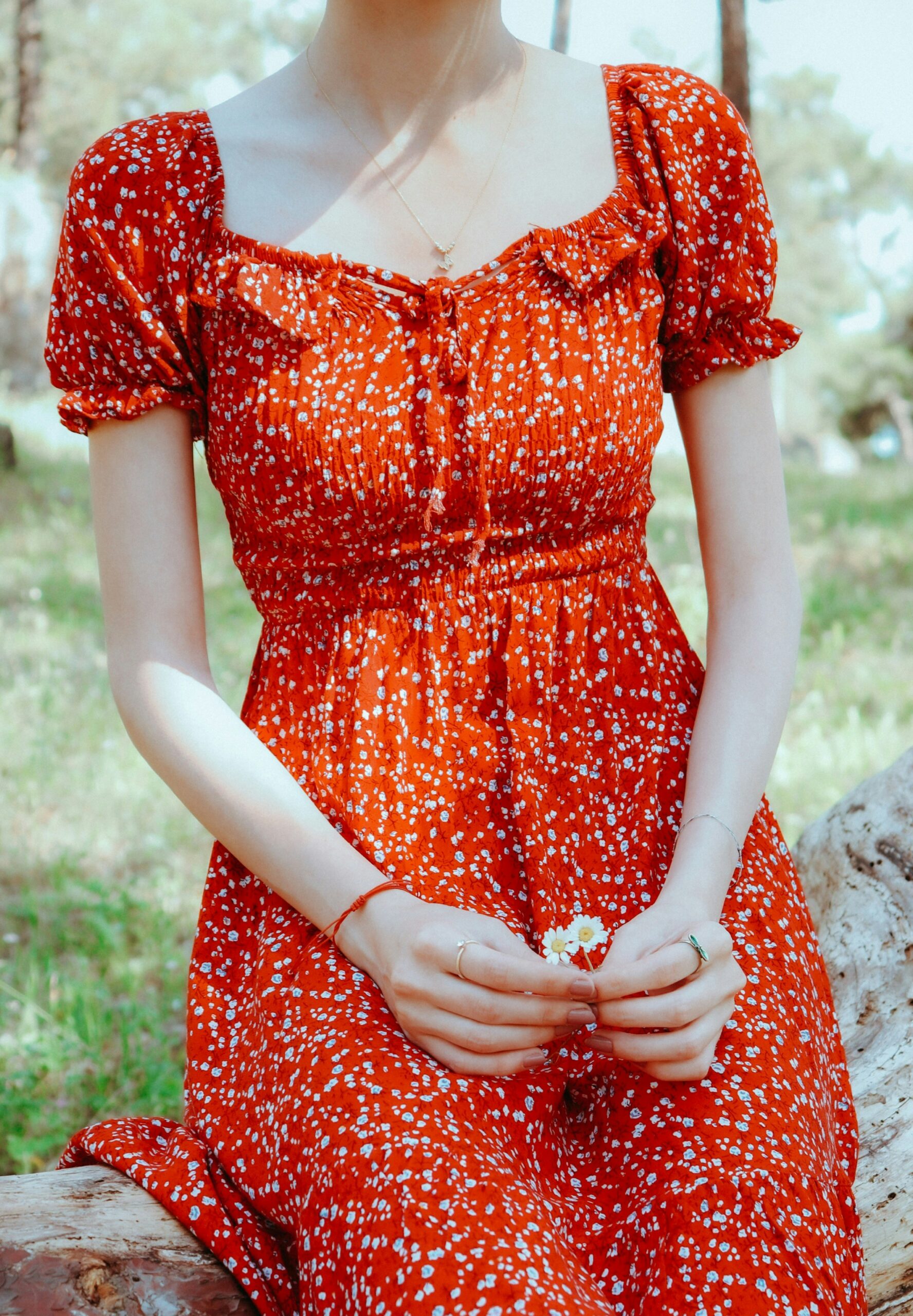

RareStudio and the Language of Minimal Form
For contemporary brands, the A-line silhouette offers an opportunity to explore design in its purest form.
At RareStudio, clothing is imagined through the lens of modern simplicity and quiet elegance. Rather than chasing trends, the focus lies on garments that feel thoughtful, refined, and enduring.
The A-line dress aligns naturally with this philosophy.
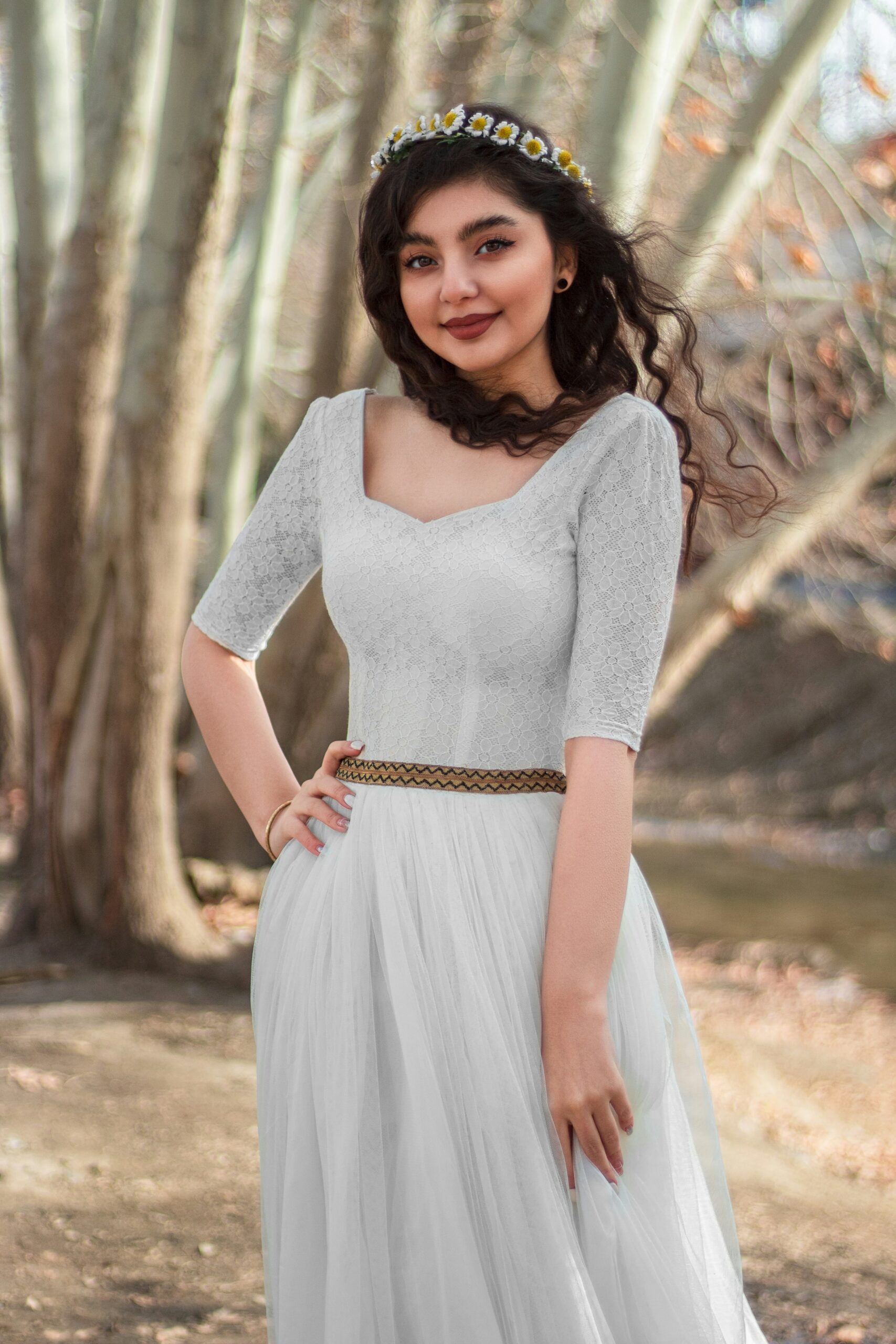
Its geometry is subtle yet powerful. A clean neckline, a gentle flare, and carefully chosen fabric can transform a simple silhouette into something deeply expressive.
In a RareStudio piece, the A-line dress becomes more than a garment. It becomes a study in proportion and movement.
The structure allows the wearer to feel both composed and free—an effortless balance between elegance and ease.
Each piece reflects the idea that luxury does not need to be loud. Sometimes it exists in the quiet confidence of a perfectly balanced silhouette


The History of the A-Line Dress: A Story of Shape, Simplicity, and Timeless Elegance
Fashion is often defined by moments of dramatic change, yet the silhouettes that endure are usually the simplest ones. Among the most iconic and enduring shapes in women’s fashion is the A-line dress—a silhouette that has quietly shaped decades of design through its elegance, versatility, and understated structure.
Recognizable for its fitted upper body and gently flared skirt that widens toward the hem, the A-line dress creates the triangular form that gives it its name. The design is simple, yet powerful. It frames the body without constriction, offering balance, movement, and timeless appeal.
From the couture houses of Paris in the mid-twentieth century to modern minimalist wardrobes today, the A-line dress has evolved into a defining piece of contemporary fashion. It is worn across cultures, seasons, and generations—an enduring garment that continues to resonate with designers and wearers alike.
Understanding the history of the A-line dress reveals more than the evolution of a silhouette. It tells a story about how fashion moves toward simplicity, and how great design often lies in restraint.
The Birth of the A-Line: A Moment in Fashion History
The A-line silhouette entered the fashion vocabulary during a transformative period in the industry. In the years following World War II, designers were redefining what modern elegance looked like. Clothing was beginning to shift away from heavy structure toward designs that offered freedom, movement, and practicality.
In 1955, French couturier Christian Dior introduced what he called the “A-Line Collection.” The garments in this collection featured a distinctive shape: narrow at the shoulders and gradually widening toward the hem, forming a silhouette reminiscent of the letter A.
At the time, Dior was already famous for his revolutionary New Look introduced in 1947. That earlier style celebrated dramatic femininity through tightly cinched waists and full skirts supported by layers of fabric.
The A-line silhouette represented a quieter evolution.
Instead of relying on elaborate tailoring and structured undergarments, the A-line dress created shape through the natural fall of the fabric itself. The garment was both elegant and relaxed—a modern interpretation of femininity that aligned with changing lifestyles.
Although Dior initially used the term to describe coats and suits as well as dresses, the A-line dress soon became the most recognizable interpretation of the silhouette
The 1960s: When the A-Line Became Modern
If the 1950s introduced the A-line silhouette, the 1960s transformed it into a cultural icon.
Fashion during this decade embraced youth, experimentation, and new ideas about identity and expression. Designers began moving away from the ornate glamour of earlier decades toward shapes that felt fresh and modern.
The A-line dress fit perfectly into this new aesthetic.
The rise of mod fashion celebrated geometric shapes, minimal decoration, and bold simplicity. Designers shortened hemlines and embraced clean, architectural silhouettes that felt radically different from traditional tailoring.
The A-line mini dress quickly became one of the defining garments of the decade. Its straight lines and flared hem created a modern look that felt effortless yet striking.
The beauty of the silhouette lay in its clarity. There were no unnecessary seams or complex construction techniques—just a simple structure that allowed the shape to speak for itself.
This shift reflected a broader transformation in fashion. Clothing was no longer solely about formal elegance; it was becoming a form of personal expression.
The A-line dress captured that spirit perfectly.
Why the A-Line Dress Works
Part of the reason the A-line dress has remained so popular is its ability to flatter a wide range of body shapes.
The silhouette works through balance. The fitted top provides structure and definition, while the skirt gradually widens, allowing the fabric to move freely away from the body.
This design creates a natural harmony that enhances the wearer’s proportions without feeling restrictive.
Unlike silhouettes that rely on tight tailoring or body-conscious cuts, the A-line dress offers elegance through simplicity. The garment frames the body rather than reshaping it.
For many women, this combination of comfort and sophistication makes the A-line dress one of the most wearable pieces in fashion.
Its versatility is equally important. The silhouette can appear casual, professional, or formal depending on fabric, length, and styling.
A linen A-line dress might feel relaxed and effortless during summer, while a structured wool version can feel refined and architectural in cooler seasons.
This adaptability has allowed the A-line dress to remain relevant across generations
The Evolution of the Silhouette
Although the essence of the A-line dress has remained consistent, designers have reinterpreted it across different eras.
During the 1970s, fashion embraced softer shapes and natural movement. A-line dresses appeared in flowing fabrics, often styled with relaxed silhouettes that reflected the decade’s bohemian influence.
The 1980s brought a more dramatic approach to fashion, yet the A-line shape continued to appear in coats and structured dresses that emphasized bold proportions.
In the 1990s, minimalism emerged as a dominant aesthetic. Designers began stripping away unnecessary details, focusing instead on clean lines and refined tailoring. The A-line silhouette fit perfectly into this philosophy.
This era marked a turning point where simplicity itself became a luxury.
Rather than relying on embellishment, designers began emphasizing quality materials, careful construction, and thoughtful design.
The A-line dress became a natural expression of this idea
The A-Line Dress in Contemporary Fashion
Today, the A-line dress remains one of the most versatile silhouettes in modern wardrobes.
Fashion has increasingly moved toward timeless pieces that transcend seasonal trends. Consumers are investing in garments that feel enduring rather than disposable.
The A-line dress embodies this philosophy.
Its shape is instantly recognizable yet endlessly adaptable. Designers reinterpret the silhouette using modern fabrics, innovative textures, and subtle variations in proportion.
Some A-line dresses emphasize crisp tailoring and architectural lines. Others embrace fluidity, allowing the fabric to move softly with the body.
In every case, the essential idea remains the same: simplicity that feels intentional rather than minimal.
This balance between structure and ease is what continues to make the A-line dress so relevant today.
Editorial Fashion: The Poetry of Simplicity
Across modern fashion editorials, designers are rediscovering the beauty of restraint.
Brands known for minimalist aesthetics often present clothing in spaces that emphasize light, texture, and architecture. The garments themselves become part of a larger visual language where simplicity carries emotional depth.
The A-line dress fits seamlessly into this world.
Its shape interacts with movement and space in subtle ways. When a person walks, the skirt shifts gently, creating a soft rhythm between fabric and body.
This relationship between form and motion is what gives the silhouette its quiet poetry.
In editorial imagery, an A-line dress often appears against minimalist backdrops—sunlit interiors, open landscapes, or modern architectural spaces. The absence of excess allows the garment to stand on its own.
The result is a visual narrative where clothing feels timeless rather than seasonal.
Styling the A-Line Dress Today
Across modern fashion editorials, designers are rediscovering the beauty of restraint.
Brands known for minimalist aesthetics often present clothing in spaces that emphasize light, texture, and architecture. The garments themselves become part of a larger visual language where simplicity carries emotional depth.
The A-line dress fits seamlessly into this world.
Its shape interacts with movement and space in subtle ways. When a person walks, the skirt shifts gently, creating a soft rhythm between fabric and body.
This relationship between form and motion is what gives the silhouette its quiet poetry.
In editorial imagery, an A-line dress often appears against minimalist backdrops—sunlit interiors, open landscapes, or modern architectural spaces. The absence of excess allows the garment to stand on its own.
The result is a visual narrative where clothing feels timeless rather than seasonal.
A Timeless Silhouette
Few garments in fashion have achieved the longevity of the A-line dress.
From its origins in mid-century couture to its place in modern minimalist design, the silhouette has remained remarkably consistent. Its shape is neither exaggerated nor restrictive, allowing it to adapt to changing cultural aesthetics without losing its essence.
The continued relevance of the A-line dress reflects a broader truth about fashion: the most enduring designs are often the simplest.
By focusing on proportion, movement, and balance, the A-line silhouette captures something fundamental about elegance.
It reminds us that clothing does not need to be complicated to be meaningful.
Sometimes, the most powerful designs are those that allow the wearer—and the moment—to speak for themsel
© All Rights Reserved 2022
