
Indian function wear—from sarees to lehengas—is already a visual delight, with rich fabrics, intricate embroidery, and vibrant colors. But what really elevates an outfit from beautiful to show-stopping is the right accessories. Accessories aren’t just add-ons—they help tie the look together, highlight your personal style, and add a layer of elegance or playfulness depending on the occasion. Here’s a detailed guide to accessorizing for Indian functions:
1. Jewelry: Balance and Statement
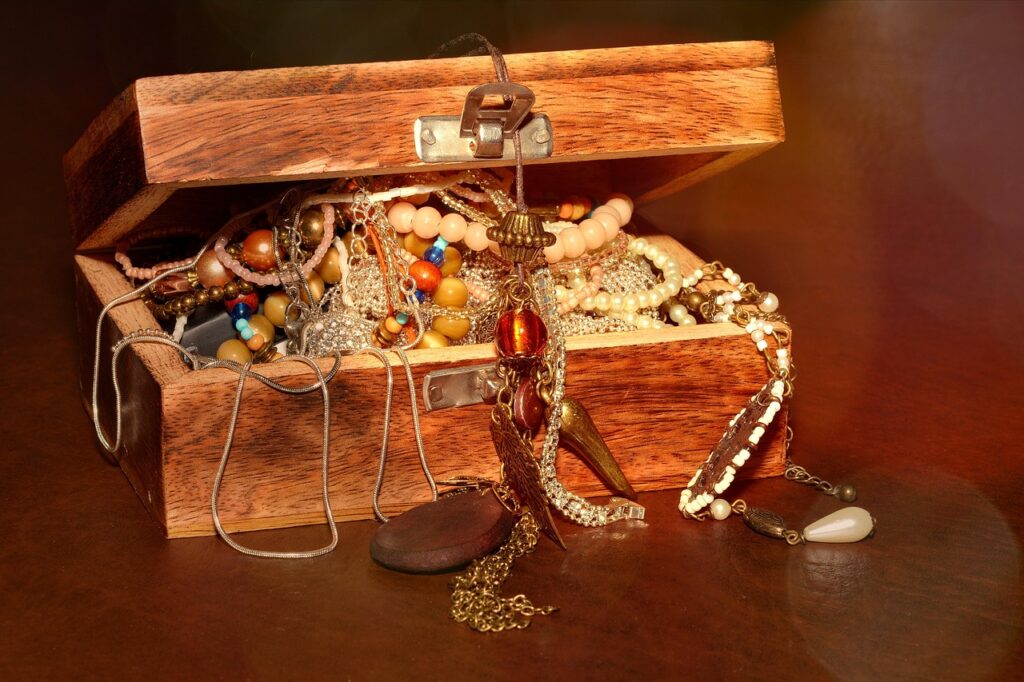
Jewelry is the heart of Indian accessorizing, but the key is balance.
- For heavy outfits: If your lehenga or saree is heavily embroidered, opt for subtle jewelry like stud earrings, a delicate necklace, or a sleek bracelet to avoid overwhelming your look.
- For simpler outfits: Minimal embroidery or single-tone sarees give you room for bold statement pieces like layered necklaces, chandelier earrings, or a statement ring.
- Traditional vs. modern: Kundan, polki, and gold jewelry work beautifully with traditional outfits. For fusion looks, try statement contemporary pieces, like geometric earrings or a sleek cuff bracelet.
Jewelry is often the centerpiece of any Indian function wear ensemble, capable of transforming a simple saree or lehenga into a show-stopping outfit. The key to elevating your look lies in striking the right balance between statement pieces and subtle accents. Too little jewelry can make an outfit feel incomplete, while too much can overwhelm it. Understanding this balance ensures your accessories enhance rather than compete with your outfit.
The first step in accessorizing is to consider the outfit itself. Heavily embellished lehengas or sarees with intricate embroidery, sequins, or zardozi work are best paired with minimal jewelry. Simple stud earrings, a delicate bracelet, or a thin necklace complement the outfit without competing for attention. On the other hand, understated or single-tone outfits offer the perfect opportunity to make a bold statement with layered necklaces, oversized earrings, or a striking cuff bracelet, turning the jewelry into the focal point of the ensemble.
Striking the balance between statement jewelry and subtle accents is essential. Statement pieces, like a heavy choker or chandelier earrings, work best when worn sparingly—usually one or two pieces at a time—so the look remains elegant rather than overpowering. Subtle accents, such as delicate chains, small studs, or thin bangles, can balance bolder pieces or add charm to simpler outfits. This careful pairing ensures that your jewelry complements the outfit without overcrowding it.
Choosing between traditional and contemporary styles further shapes the overall look. Traditional pieces like Kundan, polki, temple jewelry, or antique gold are perfect for weddings and festive events, adding cultural richness to heavily embroidered or classic silhouettes. Contemporary jewelry, including sleek metallic designs or geometric shapes, pairs well with modern lehengas, draped sarees, or Indo-western outfits, making it ideal for cocktail parties or pre-wedding functions.
Metal tones and gemstones play a critical role in completing the ensemble. Keeping metals consistent—gold with gold, silver with silver—or mixing thoughtfully in fusion looks maintains harmony, while gemstones can either match the outfit for cohesion or contrast to create a pop of color. Placement is equally important: necklaces draw attention to the neckline, earrings frame the face, and bangles, rings, or anklets add finishing touches to the hands and feet. The right placement ensures that every piece enhances the outfit without overwhelming it.
When done thoughtfully, jewelry doesn’t just accessorize your outfit—it tells a story about your personal style, attention to detail, and confidence. In Indian function wear, striking the perfect balance between statement pieces and subtle accents is what transforms a look from good to truly unforgettable.
Tip: Match your jewelry to the outfit’s tones—gold with warm colors, silver with cooler shades, and gemstones that complement or contrast tastefully.
2. Footwear: Style Meets Comfort
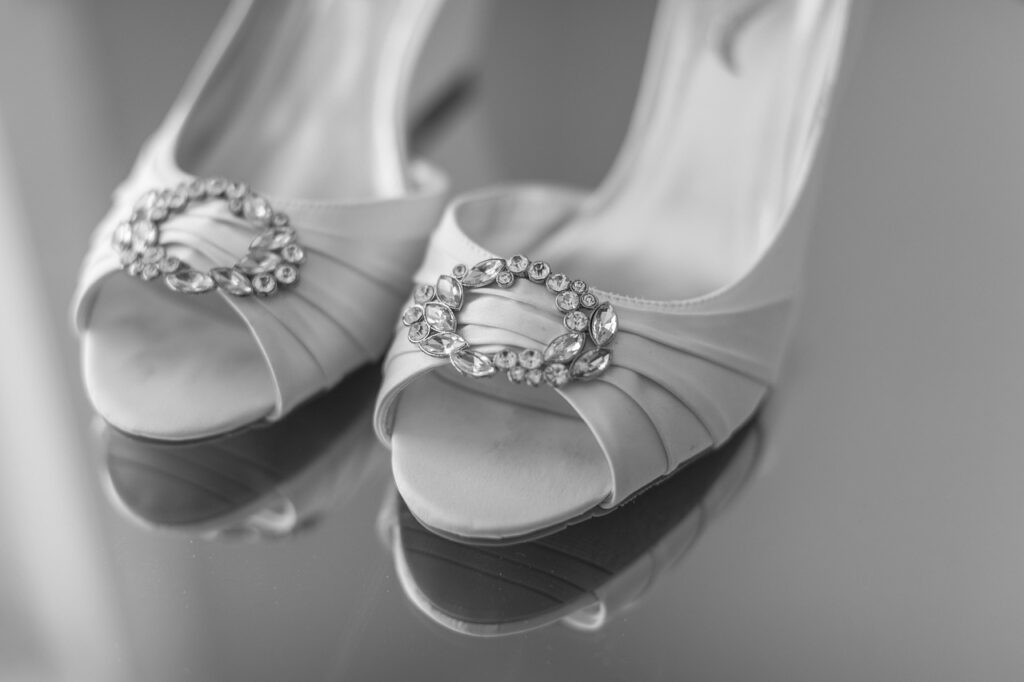
Indian function wear often involves hours of standing, walking, or dancing. Your shoes should be both stylish and practical:
Heels: Embellished heels or wedges go well with lehengas and gowns. Wedges are great for outdoor events as they won’t sink into grass or soft flooring.
Flats: Juttis, mojaris, or embellished sandals are perfect for sarees or lighter outfits, especially if you’re attending long ceremonies.
Consider the hemline: Your footwear should complement the length of your outfit—heels add height for floor-sweeping sarees, while flats pair well with cropped lehengas.
When it comes to Indian function wear, footwear is one of the most important yet often overlooked aspects of styling. The right pair can elevate your outfit, complement your jewelry, and tie your entire look together. But Indian functions—weddings, mehendis, receptions, or festive gatherings—often involve long hours of standing, walking, and dancing. That’s why choosing footwear that balances style and comfort is absolutely essential.
Heels are a popular choice, especially with lehengas or floor-length sarees, as they add height, improve posture, and help the outfit drape beautifully. Embellished heels or wedges can perfectly complement traditional embroidery or sequins, enhancing the outfit’s elegance. Wedges, in particular, are a practical option for outdoor events since they provide stability and prevent sinking into soft flooring, grass, or uneven surfaces. For indoor or more formal functions, stilettos or block heels can make a striking statement, but comfort should always be considered, as high heels can quickly become tiring during long ceremonies or dances.
Flats are another essential option, especially for those who prioritize ease and mobility. Juttis, mojaris, or embellished sandals are traditional yet stylish choices that pair beautifully with sarees, lehengas, and anarkalis. They are perfect for daytime events, temple visits, or functions that involve a lot of movement. Modern designs in metallic finishes, sequins, or embroidery allow flats to look dressy without compromising on comfort. Even minimalistic sandals with subtle embellishments can look sophisticated while keeping your feet happy all day.
It’s also important to consider the outfit’s hemline and proportions. Floor-sweeping sarees or lehengas often benefit from heels, which prevent the fabric from dragging and add elegance to your stride. Cropped lehengas, on the other hand, pair beautifully with flats, strappy heels, or even stylish sandals, allowing the outfit’s details, like embroidery or anklets, to stand out. Comfort doesn’t mean sacrificing style—it’s about choosing footwear that complements the outfit while allowing you to enjoy the function without constantly adjusting or worrying about your feet.
Footwear can also reflect your personal style. From classic gold juttis and metallic stilettos to modern block heels and minimalist sandals, your choice of shoes can subtly highlight your personality and taste. Accessories like ankle straps, embellishments, or colorful detailing on shoes can echo elements of your outfit or jewelry, tying the look together seamlessly
Ultimately, the key to choosing footwear for Indian functions is to strike a balance between style, comfort, and functionality. Shoes should enhance the outfit, support you throughout the event, and let you move with confidence—whether you’re greeting relatives, dancing at a wedding, or walking gracefully down the aisle. The right footwear ensures that you feel as good as you look, making it a cornerstone of a confident, polished Indian function look.
3. Bags & Clutches: Small but Impactful
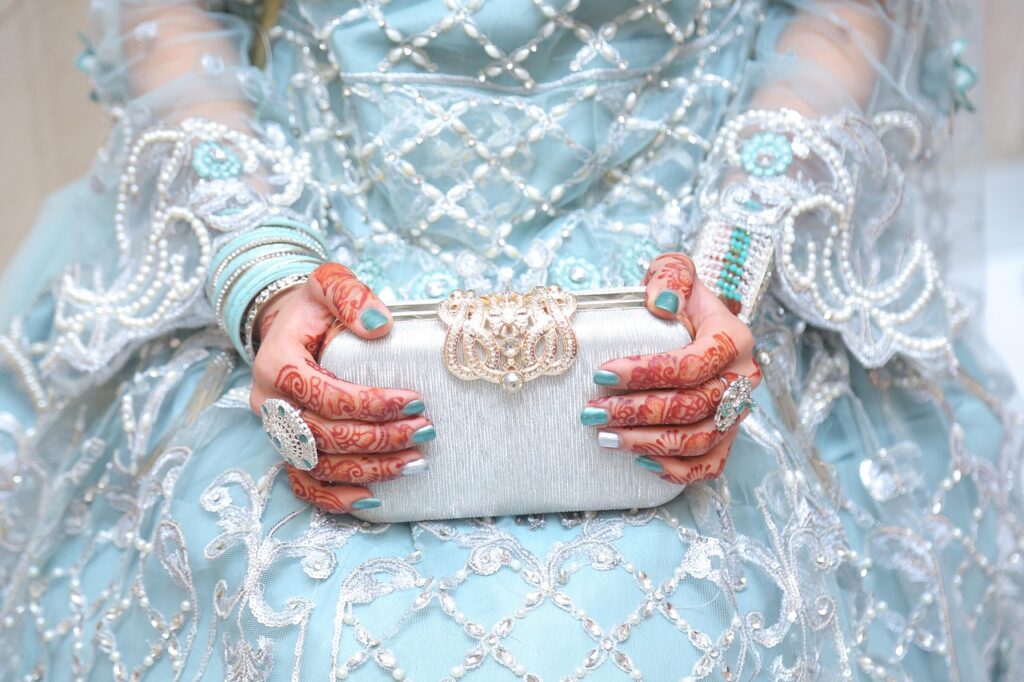
A clutch or potli bag can add a pop of color, shine, or texture.
Matching: Opt for bags that echo your outfit’s embroidery or color palette.
Contrast: A bold-colored bag can stand out against a neutral saree or lehenga.
Functionality: Make sure it’s big enough for essentials like your phone, lipstick, and some cash or cards, but not so bulky that it detracts from your outfit.
When it comes to Indian function wear, bags and clutches are often overlooked, yet they can make a surprisingly big impact on your overall look. While your outfit, jewelry, and footwear are the stars, the right bag acts as a finishing touch that ties everything together, adds personality, and even serves a practical purpose. In many ways, the small details of a bag or clutch can elevate your outfit from elegant to unforgettable.
The first thing to consider is size and functionality. While Indian function bags are typically small, they still need to hold essentials such as your phone, lipstick, cash, ID, and perhaps a compact mirror. A bag that’s too small will be frustrating, and one that’s too large can feel cumbersome and clash with your outfit. The ideal clutch or potli bag is compact yet functional, providing enough space for necessities without stealing attention from the ensemble.
Style and material are just as important as functionality. Embellished clutches with sequins, beads, mirror work, or embroidery complement festive outfits beautifully and echo the richness of sarees, lehengas, or gowns. Metallic finishes—gold, silver, or rose gold—add a sophisticated shimmer and work well as neutral accessories that match most color palettes. For simpler outfits, a bold-colored clutch can serve as a statement piece, creating contrast and visual interest that instantly draws the eye.
The bag’s design should also harmonize with the rest of your accessories. A heavily embroidered clutch pairs well with understated jewelry, while a sleek metallic or minimalist bag works best with statement pieces like layered necklaces or chandelier earrings. Shapes also play a role—rectangular clutches offer a modern, structured look, while rounded potli bags give a traditional, festive vibe. Consider the drape and flow of your outfit: a delicate satin bag complements soft, flowing sarees, while a structured clutch balances the heaviness of a layered lehenga.
Comfort and ease of carrying are crucial, especially at Indian functions that often involve moving between ceremonies, family photos, and dance floors. Many clutches come with hidden straps or chains, allowing you to switch from hand-held to over-the-shoulder style for practicality. Potli bags with drawstrings can double as playful accessories while being easy to carry throughout the event.
Ultimately, bags and clutches may be small, but they make a big style statement. They add color, texture, and sparkle, while also enhancing your outfit’s cohesion. A thoughtfully chosen bag not only complements your look but reflects your attention to detail and personal style. In Indian function wear, where every element matters, the right clutch or bag can transform an already beautiful outfit into a truly polished, camera-ready ensemble.
4. Hair Accessories & Styling
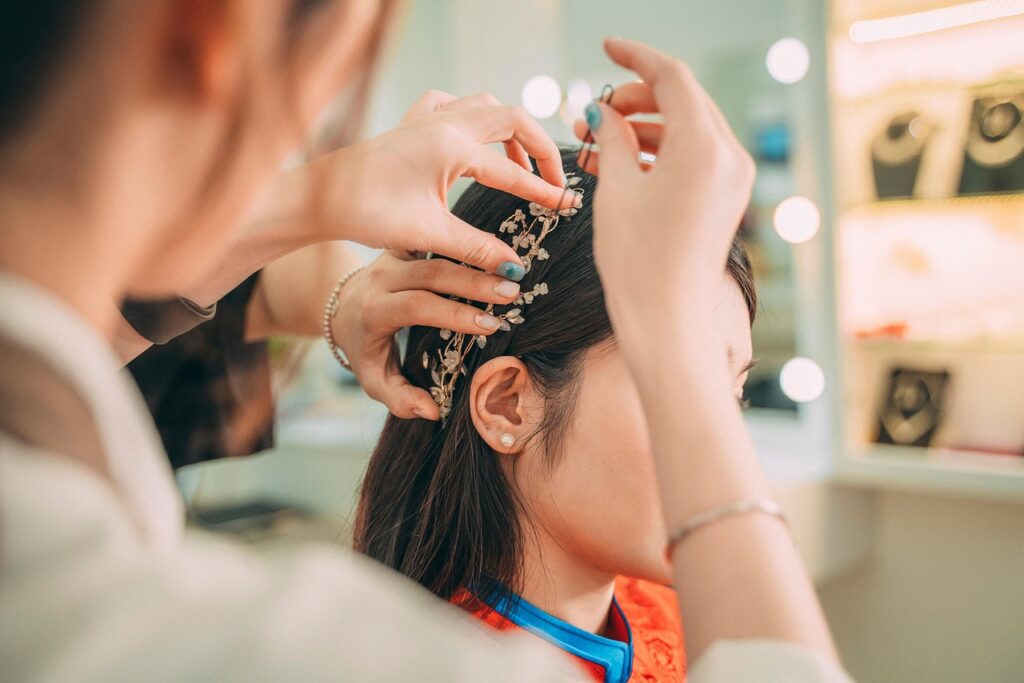
Hair accessories can completely change the vibe of your look:
Traditional pins and clips: Maang tikkas, jhumar, or embellished hairpins work beautifully with classic sarees and lehengas.
Fresh flowers: Jasmine or roses are perfect for weddings or festive events.
Modern touches: Sleek metallic clips, headbands, or minimalist hair chains can elevate fusion looks.
Hair accessories play a powerful role in Indian function wear, often completing the look in a way that makeup or jewelry alone cannot. The right hair styling and adornments frame the face, highlight jewelry, and bring balance to the entire outfit. Whether your style is traditional, modern, or fusion, hair accessories help elevate your appearance and make your look feel thoughtfully put together.
Traditional hair accessories have long been an integral part of Indian celebrations. Maang tikkas, jhumars, matha pattis, and embellished hair pins instantly add a regal touch, especially when paired with sarees and lehengas for weddings and festive functions. These pieces draw attention to the face and forehead, creating a graceful, ceremonial feel that complements heavily embroidered outfits. When worn correctly, even a single traditional hair accessory can make the entire look feel richer and more polished.
Flowers are another timeless choice that never go out of style. Fresh gajras made of jasmine or roses bring softness and elegance, especially when paired with buns or braids. They work beautifully for daytime weddings, temple ceremonies, and cultural celebrations, adding a natural, feminine charm. For a more modern take, dried flowers or floral hairpieces can be used to add texture and visual interest without overpowering the outfit.
For contemporary and fusion looks, modern hair accessories offer endless possibilities. Sleek metallic clips, pearl pins, minimal hair chains, and embellished headbands add subtle glamour without feeling overly traditional. These styles work especially well with loose waves, half-up hairstyles, or low buns, making them ideal for cocktail events, receptions, or pre-wedding functions. Modern accessories help maintain a clean, stylish look while still feeling festive.
The hairstyle itself plays a crucial role in how accessories are showcased. Sleek buns and braids provide a structured base for heavier accessories like flowers or jeweled pins, while soft curls and loose styles pair better with lighter, delicate adornments. The key is to ensure that the hairstyle and accessories complement each other rather than compete for attention. Over-accessorizing can make the look feel cluttered, while a well-chosen piece enhances the hairstyle effortlessly.
Ultimately, hair accessories are about balance and intention. They should align with the outfit, jewelry, and overall vibe of the function. Whether you choose traditional ornaments, floral accents, or modern pieces, the right hair styling adds harmony and elegance to your look. In Indian function wear, where details matter, thoughtfully styled hair and accessories can transform your outfit into a cohesive, graceful, and memorable ensemble
Tip: Choose accessories that complement your hairstyle and outfit. For example, intricate braids pair well with statement hairpins, while a sleek bun can be adorned with a single flower or jewel.
5. Belts, Dupattas, and Other Styling Accents
Belts: Cinch a lehenga or saree pallu with an embellished belt to create structure and accentuate your waist.
Dupattas: Play with draping styles—throw it over one shoulder, pleat it neatly, or drape it across the torso. Embellished borders, tassels, or embroidery can double as accessory-level details.
Scarves and stoles: Lightweight scarves with embroidery or sequins can add subtle elegance to simpler outfits.
Belts, dupattas, and smaller styling accents may seem like minor details, but in Indian function wear, they have the power to completely transform an outfit. These elements add structure, movement, and personality, helping your look feel intentional and well-styled rather than simply worn. When used thoughtfully, they elevate even the simplest saree or lehenga into a polished, fashion-forward ensemble.
Belts have become a popular styling addition, especially for sarees, lehengas, and even anarkalis. An embellished belt worn over a saree pallu or at the waist of a lehenga helps define the silhouette and adds a modern edge to traditional attire. Belts can be subtle, with minimal metallic detailing, or bold, featuring embroidery, pearls, or stones. Beyond aesthetics, they also serve a functional purpose by keeping drapes in place, allowing you to move freely and confidently throughout the function.
Dupattas play a central role in Indian function wear, offering endless opportunities for creative styling. The way a dupatta is draped can completely change the mood of an outfit. A neatly pleated dupatta over one shoulder creates a refined, formal look, while a loosely draped style across the arms feels effortless and romantic. Double dupatta styles, contrasting colors, or dupattas with heavy borders can act as statement pieces on their own, reducing the need for heavy jewelry. Tassels, embroidery, and textured fabrics further add depth and visual interest.
Other styling accents, such as stoles, scarves, and brooches, can subtly enhance an outfit without overpowering it. A lightweight embroidered stole can add elegance to a simple kurta or gown, while a decorative brooch can secure a dupatta while doubling as an accessory. Anklets, waist chains, and layered bangles also fall into this category of accents that quietly elevate the look, adding movement and charm with every step.
These details are especially useful when you want to personalize your outfit. Styling accents allow you to adapt the same outfit for different occasions by changing just a few elements. A belt can make a traditional outfit feel contemporary, a new dupatta can refresh a familiar lehenga, and small accents can reflect your individual taste and creativity.
Ultimately, belts, dupattas, and styling accents are about refinement and expression. They bring cohesion to your outfit, highlight craftsmanship, and add a sense of completeness. In Indian function wear, where every detail contributes to the final look, these subtle yet impactful elements ensure your outfit feels thoughtfully styled, balanced, and uniquely yours.